
How I make leaded glass — and why I don’t make traditional stained glass
There are a few good reasons why I make leaded glass the way I do. Traditional stained glass is fantastic — of course it is — but the benefits of doing it my way outweigh the other route.
This post explains why I didn’t pursue the traditional path, and why I’ve made hundreds of leaded lights this way instead.
Traditional Stained Glass
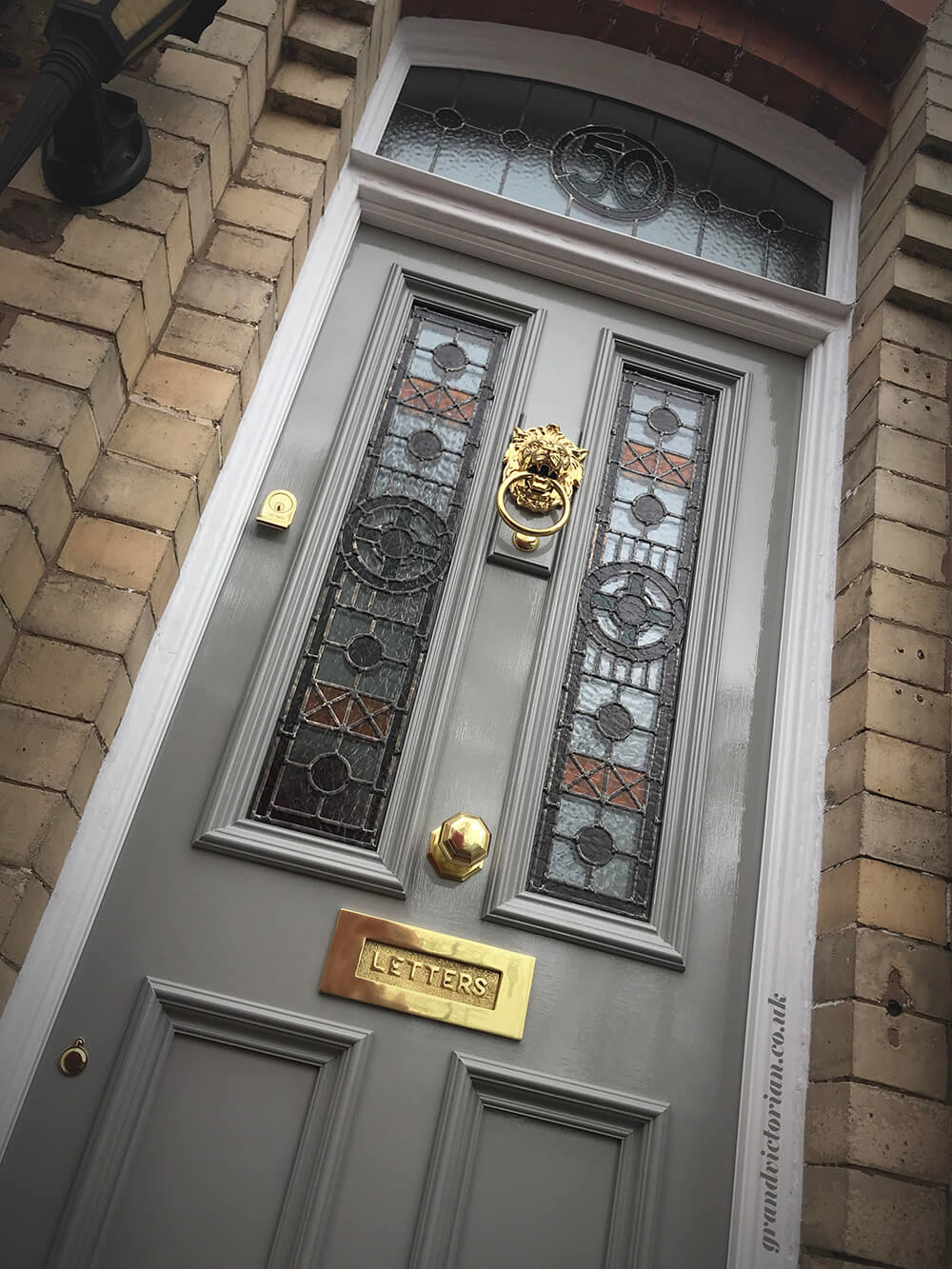
Traditional stained glass leaded lights are undoubtedly beautiful — and so very Georgian/Victorian England. Leaded glass goes back much further than Victorian times and is common all across Europe, but nowhere embraced it more than England and the Victorians. Well, maybe the Italians but hey.
The English love for stained glass is so evident that you’ll find examples on every Victorian street, from Chelsea to Chorlton. Actually, a lot of what you’ll see in Chorlton isn’t technically stained glass — thanks to me.
I’m asked regularly to look at a Victorian or 1930s front door, and the question always comes up: what can we do about the glass in the door and the surrounding leaded lights?
The problem with encapsulation
The problem with existing leaded lights is that they’re often not secure — and they can let air in when the cement between the lead and the glass has become brittle and fallen out. If you take a stained glass unit out to make it safe (using safety glass), you need to sandwich it between two pieces of clear toughened glass. Safe and draught proof. That process is called encapsulation.
Every time Teresa and I looked at a house with stained glass when we were buying, she’d get excited. I, on the other hand, would think: it’s a shame. To take a traditional unit out of its frame, you’d need to make it smaller to fit inside the double glazed unit — and that’s where the compromises start.
I’m not a fan of encapsulation for two reasons. First: you see flat reflective glass from the outside, which destroys any impression that the unit is original. Second: to get the finished unit to fit the existing aperture, you have to cut 25mm off the whole width and height — or make the hole bigger. Neither option is good.
There’s a third problem too. If the glass is for an internal door — where you need safety glass but not double glazing — traditional stained glass can’t be toughened. It’s 3mm hand-made glass. My units can be toughened, because they’re built differently from the start.
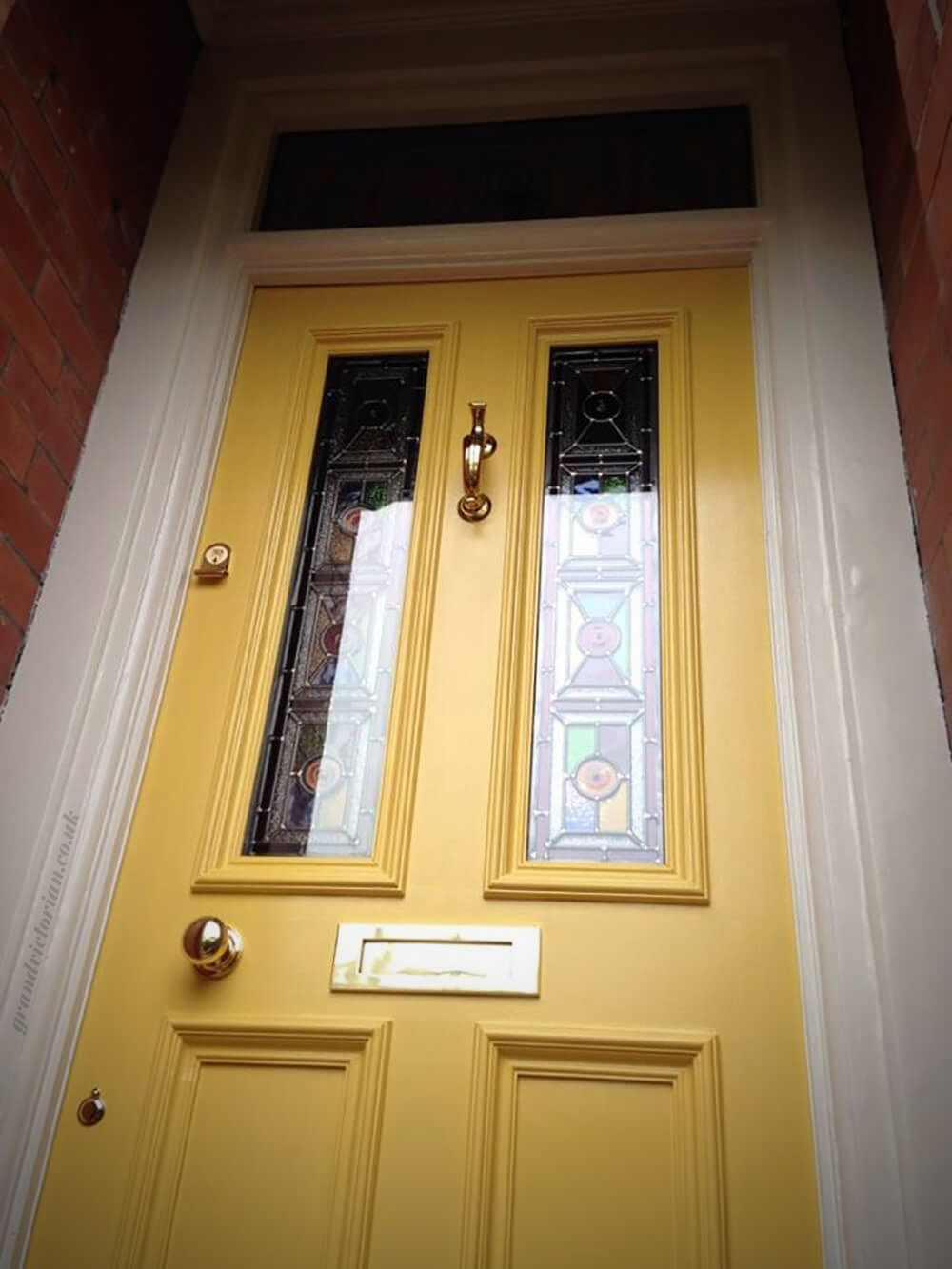
The solution
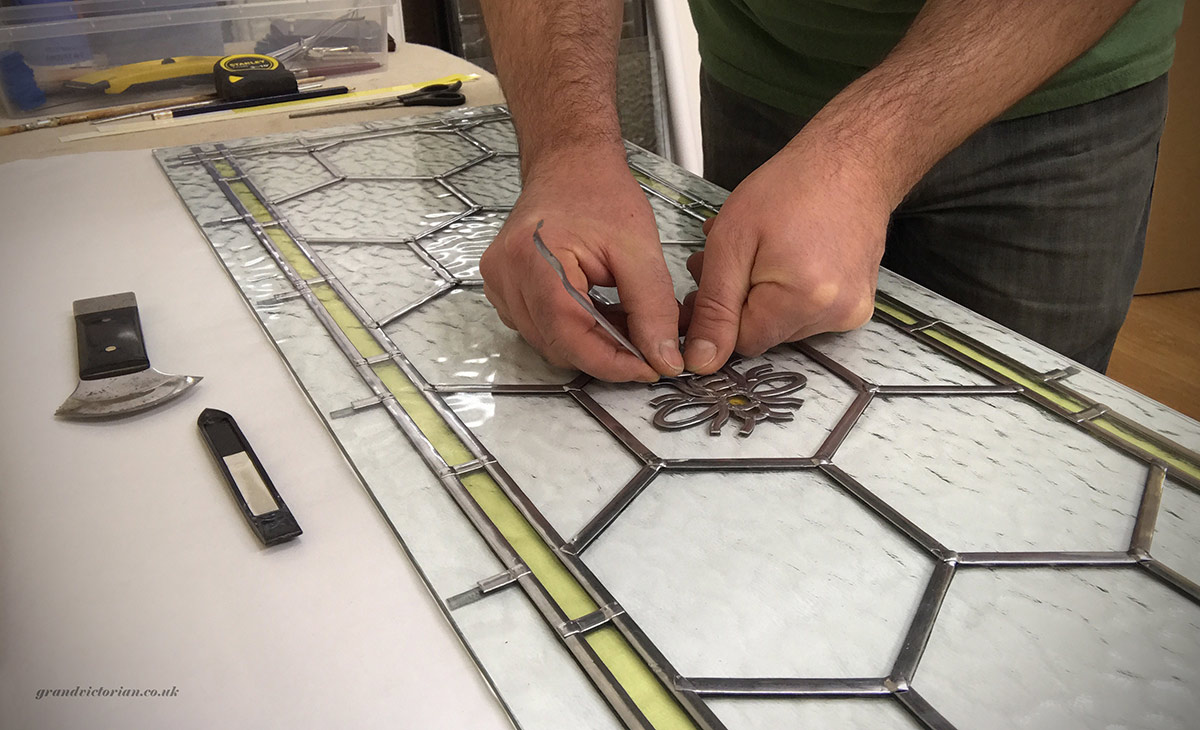
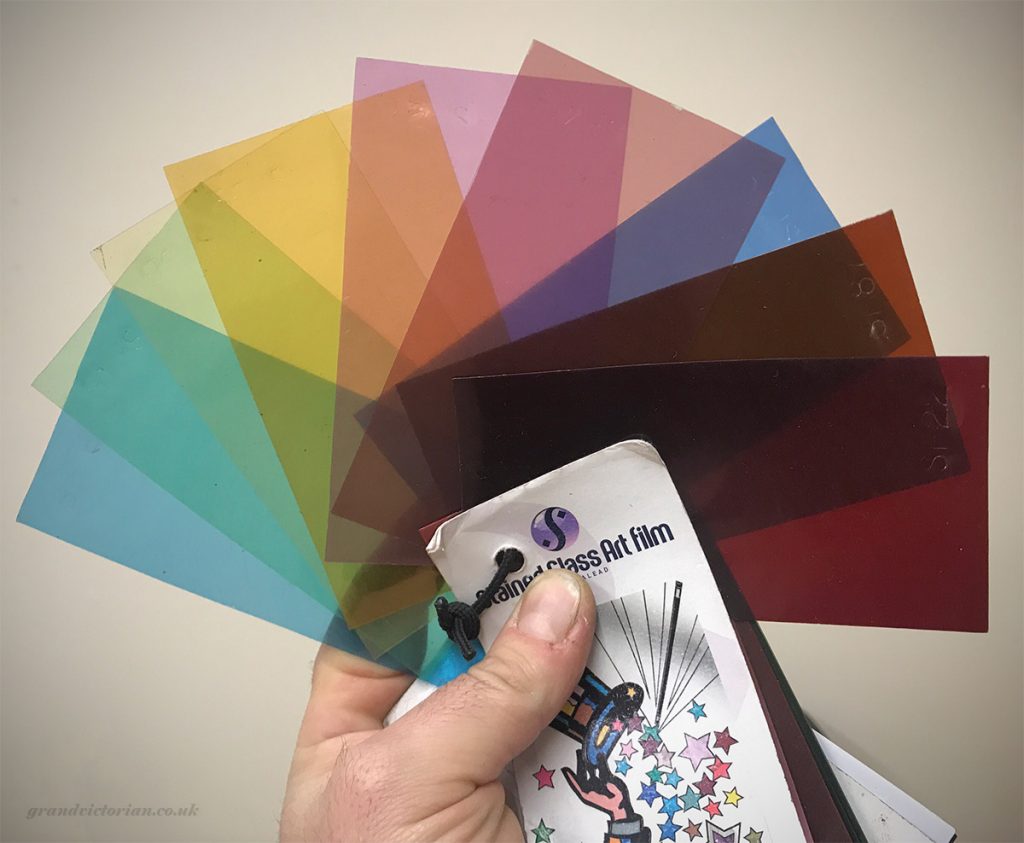
I get over all of these issues by making a double glazed unit where the lead work sits on the outside piece of toughened glass. Adhesive lead is applied directly to the outside face of the glass, to a design we develop together. Regalead coloured art film goes on the reverse side — inside the unit — in any sections where colour is required. Lead then goes around those sections to finish the design.
The result is a double glazed unit built with toughened safety glass — the same footprint as the original, no cutting, no bodging — with genuine soldered lead on the outside that you can touch and feel.
I painstakingly solder every joint and treat the lead to age it. Safer than traditional stained glass, warmer, and to my eye more authentic.
Regalead Stained Glass Art Film
Regalead have done a genuinely impressive job of capturing the look of old Victorian and 1930s hand-made glass. The colours they produce are the closest thing to the real thing I’ve come across. The 1930s doors you’ve seen above are all done using this film.
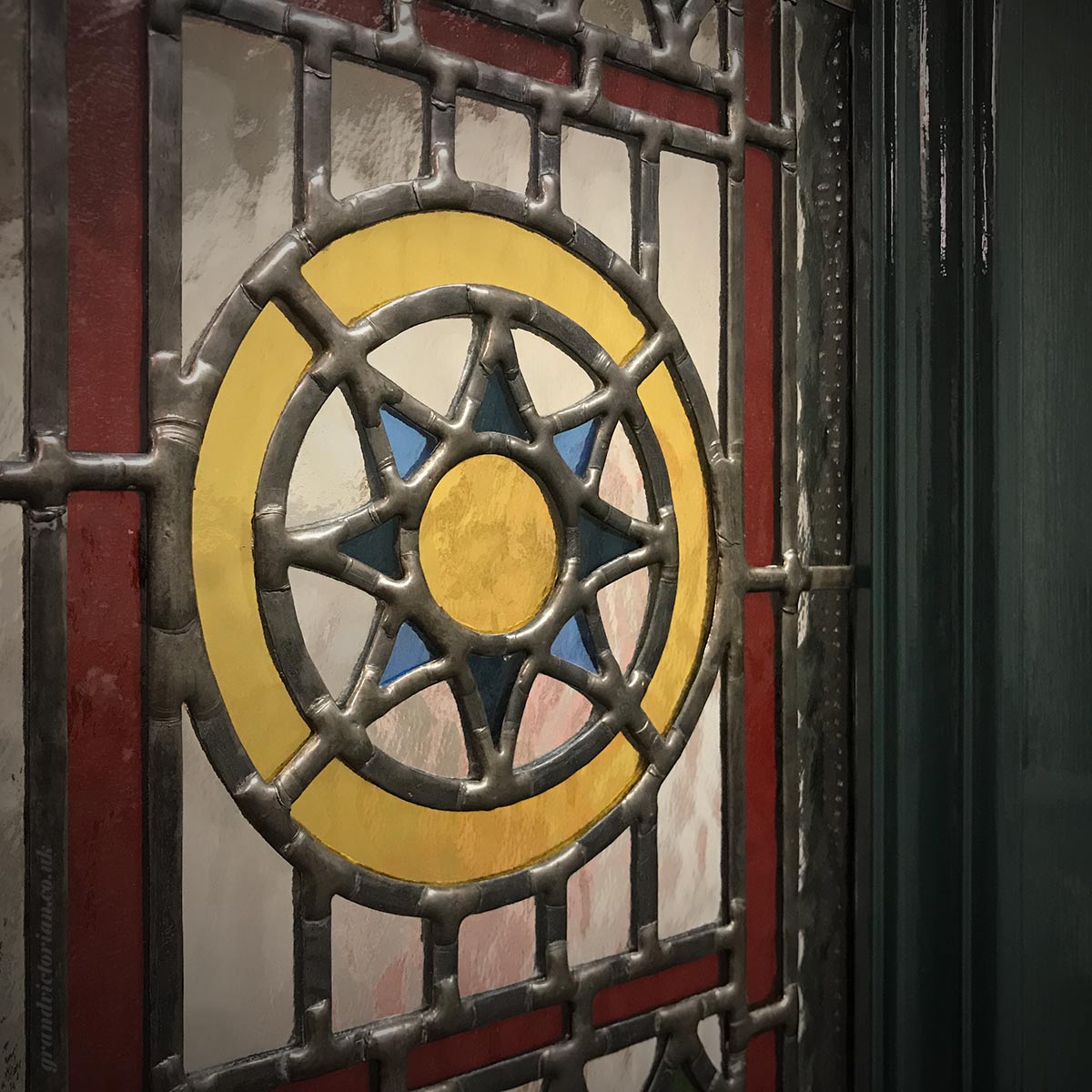
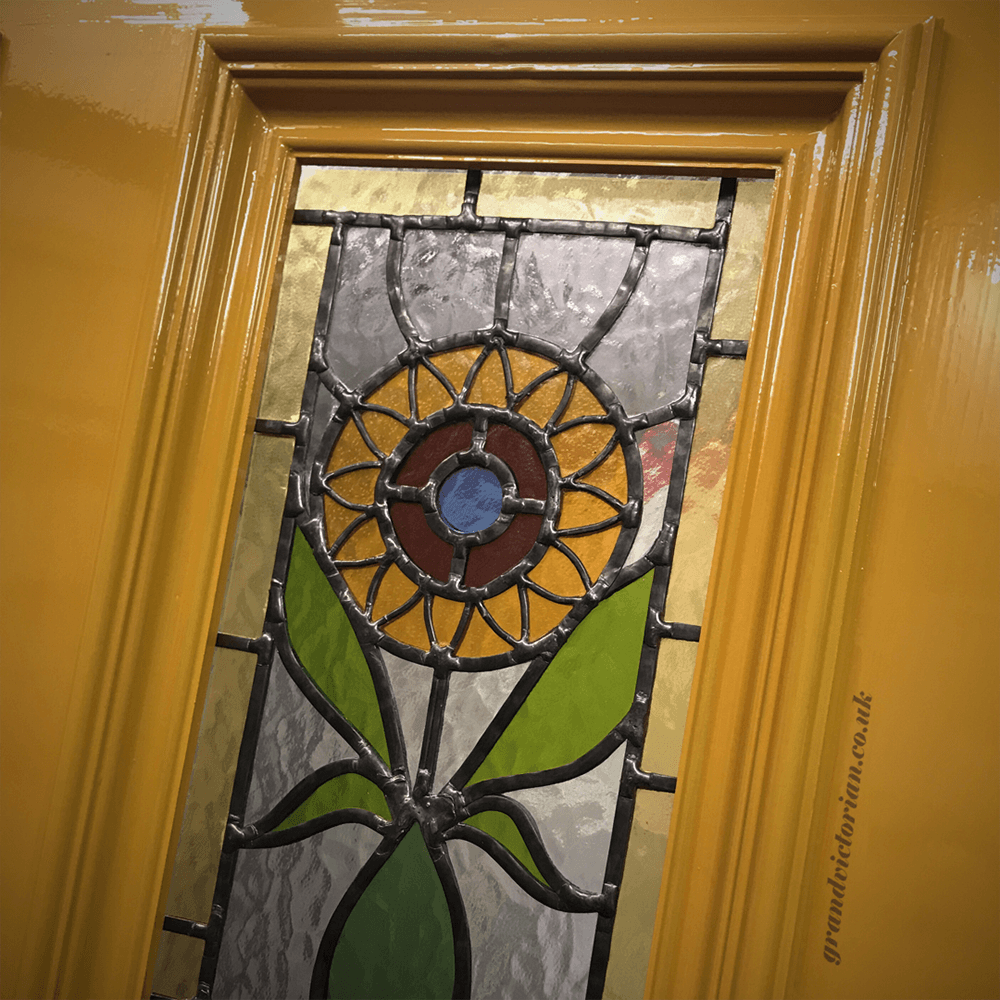
The finished unit has lead exposed externally, colour between the sections, toughened safety glass throughout, and exactly the same size as the original. No encapsulation, no compromise.
READ NEXT…
Manchester Bee Leaded Glass
The Manchester Bee is probably the most personal piece I’ve made — three bespoke leaded panels for a customer who wanted something unmistakably local on their door. See how it came together.
Quick question – My door is south facing with no shade, so will constant sunlight warp or fade the coloured film?
We’ve been using this film for about 6 years now and nobody has ever said the colours have faded Karen. I have pure confidence in it.