
Designing a Victorian front door to look authentic
Taking the best features from doors I’d seen over the years was quite straight forward. Something I really had to focus on was getting the mouldings right and working out the size of the lower panels on different doors so that they match the ‘golden ratio’ when possible.
A bit of maths
The Golden Ratio helps to make things looks more appealing to human brain cells. It occurs in the natural world and has been exploited for thousands of years in the design of the pyramids of Giza, Roman architecture, even music of Chopin and Leonardo da Vinci’s Mona Lisa.
Maths lesson: The Golden Ratio, AKA golden section, golden mean, or divine proportion, is equal to about 1.618 or if you want to get fancy, (1+√5)/2.
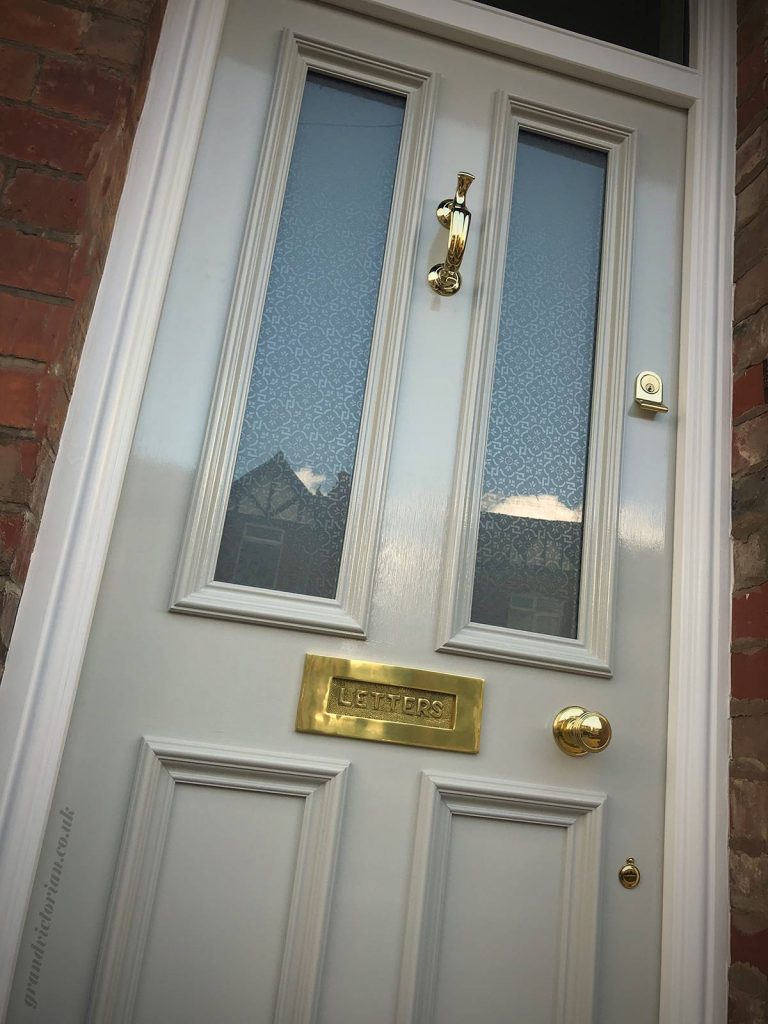
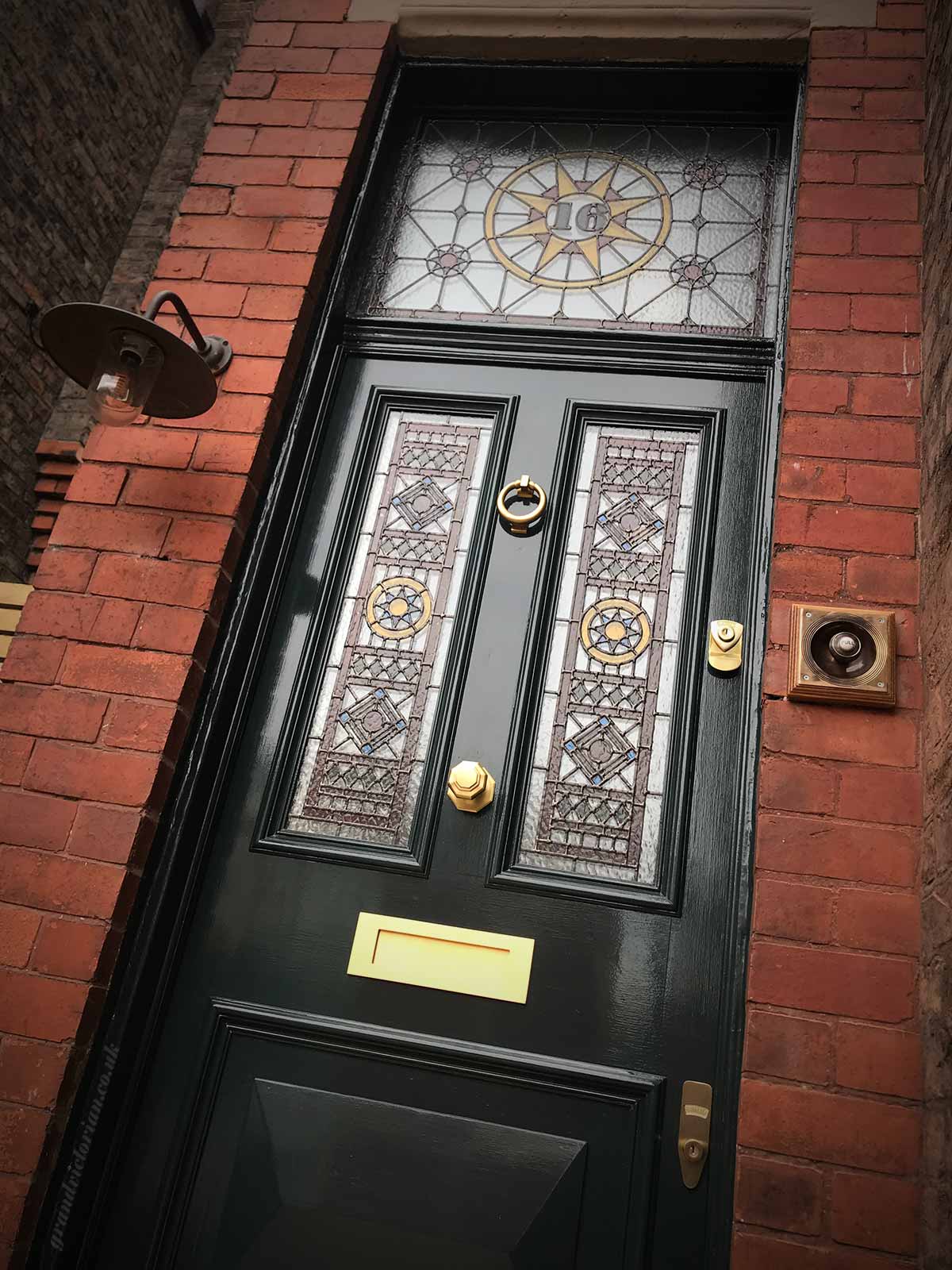
This door was fitted on a Victorian terrace in Hale on the home of a young couple who’d just bought their first house and it’s so ‘in keeping’ it’s unreal.
GETTING IT RIGHT
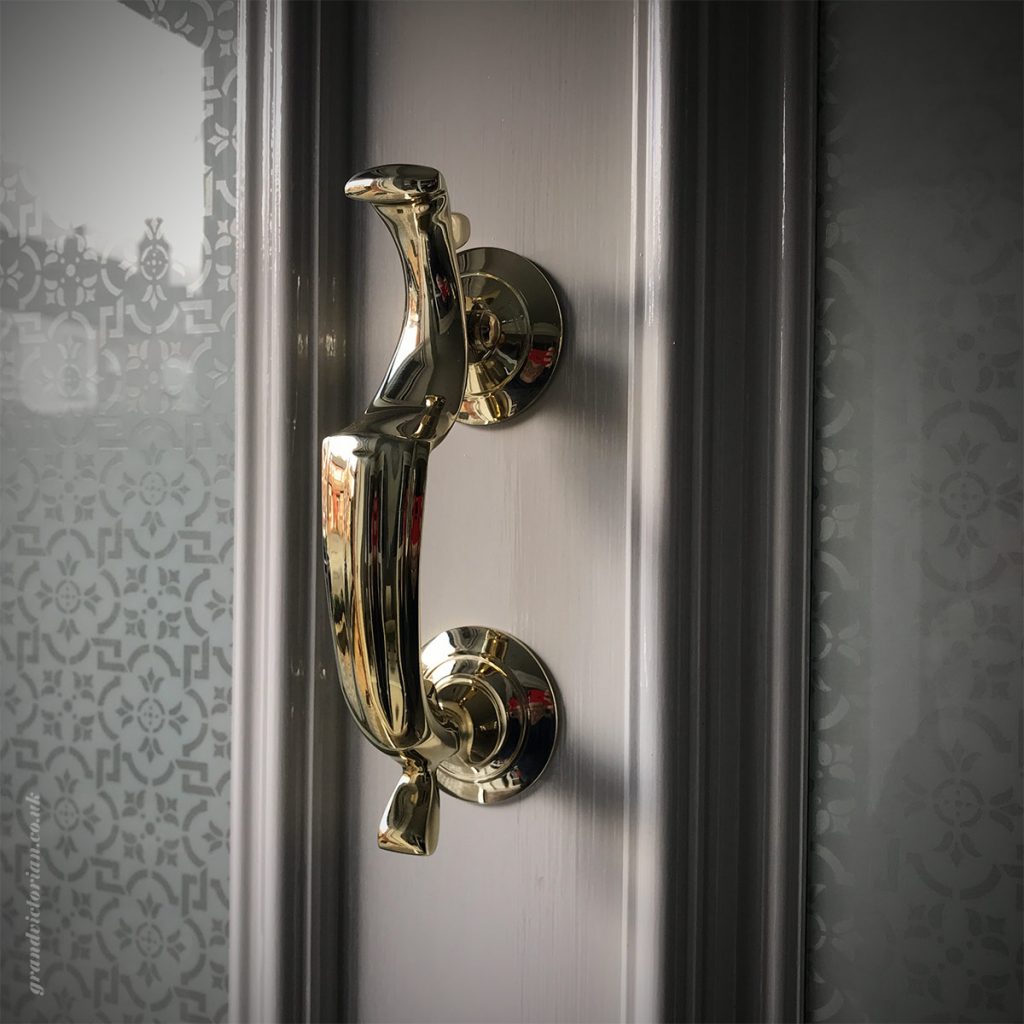
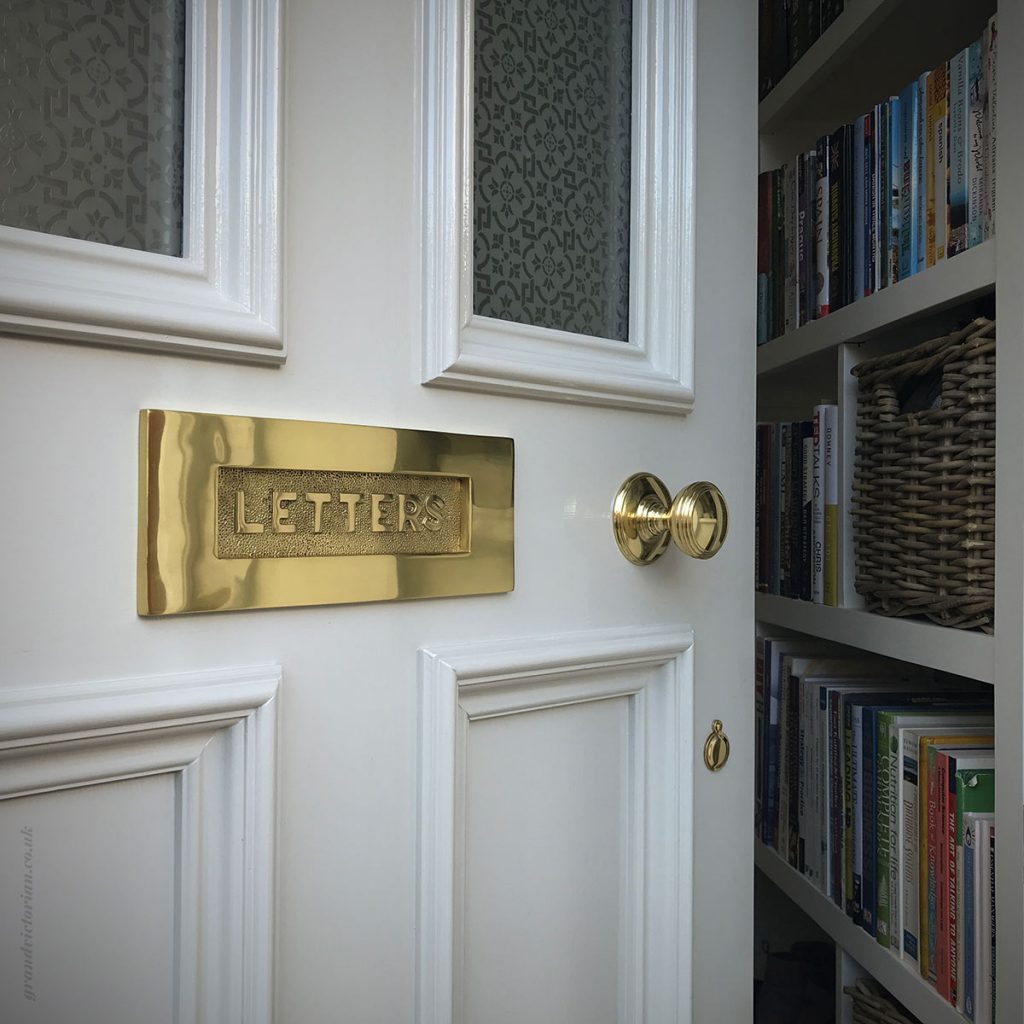
The Canterbury glass, although Victoriana in style, really modernises the look while the brass furniture retains the period features.
I meet OCD a lot! It keeps me on my toes. Those books in this photo will be ordered in genre and alphabetically. OCD needs everything right and that’s exactly how we produce our doors, which is why this one went like clockwork.
Being creative isn’t about conforming or making something that simply fits in. That’s why, although this door is beautiful, when I found these photos in the archives yesterday I was unsurprised that I’d forgotten all about it 😬.
Wood to make a front door
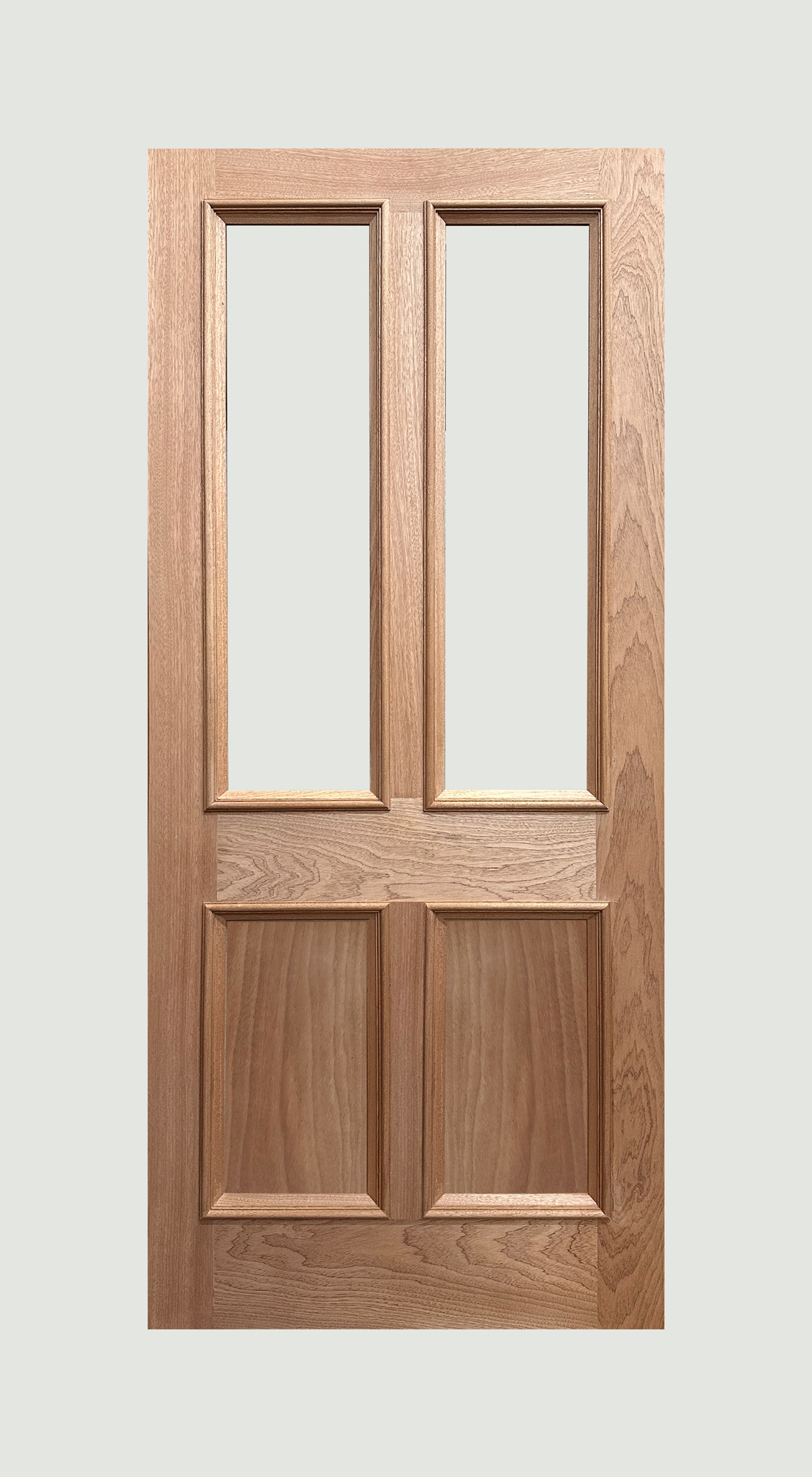
There are many woods used in door construction. Consequently, there are many opinions as to what the best wood is to use. You should know that the original Victorian front doors that I’m still restoring week on week are made from pitch pine, they have lasted 120 years or so already. When I refit them there’s no reason why they shouldn’t last another hundred years.
With this in mind, why stress about what to use in a new door these days?
Well, we still try to use the best we can. To me, this is utile. It’s physically very hard so knocking the door with a buggy won’t damage it so much but more importantly, there is less grain figuring so it’s more stable.
Also, utile repels water very well and as it’s a hardwood the grain is closer together so won’t rot like pine.
The paint job is really what stops the water from penetrating. So, over the years we have developed a system of painting the door the best way we think is possible. That’s another article though.
Leaded Glass
Fit some leaded glass and you have a very authentic looking Victorian front door.
Of course, again, I don’t automatically go down the route of convention. I design all of the leaded glass that is fitted into our doors, individually. It’s all bespoke and unique to your door. However, I use adhesive lead on toughened glass and the colour is a film inside the double glazed unit.
Making our leaded glass this way reduces the amount of lead used. It also reduces the thickness of the double glazed unit and enables us to ‘show’ the lead off on the outside of the unit. To add authenticity, we solder every joint.
And that’s it, hope you’ve learned something.