
The Baldwin Hinge — Origin & History
Most of the nearly 300 front doors I worked on over the years were hung on Baldwin hinges — often buried under a hundred years of paint. This is their story, and how to clean them up yourself.
Product links here will take you to something I actually own, use and trust — not stuff sent to me free or paid to plug. As an Amazon Associate I earn from qualifying purchases so if you buy anything on Amazon (or another site) after clicking through and I earn a small commission at no extra cost to you — you pay the same price, they just share a slice of what they’d have made.
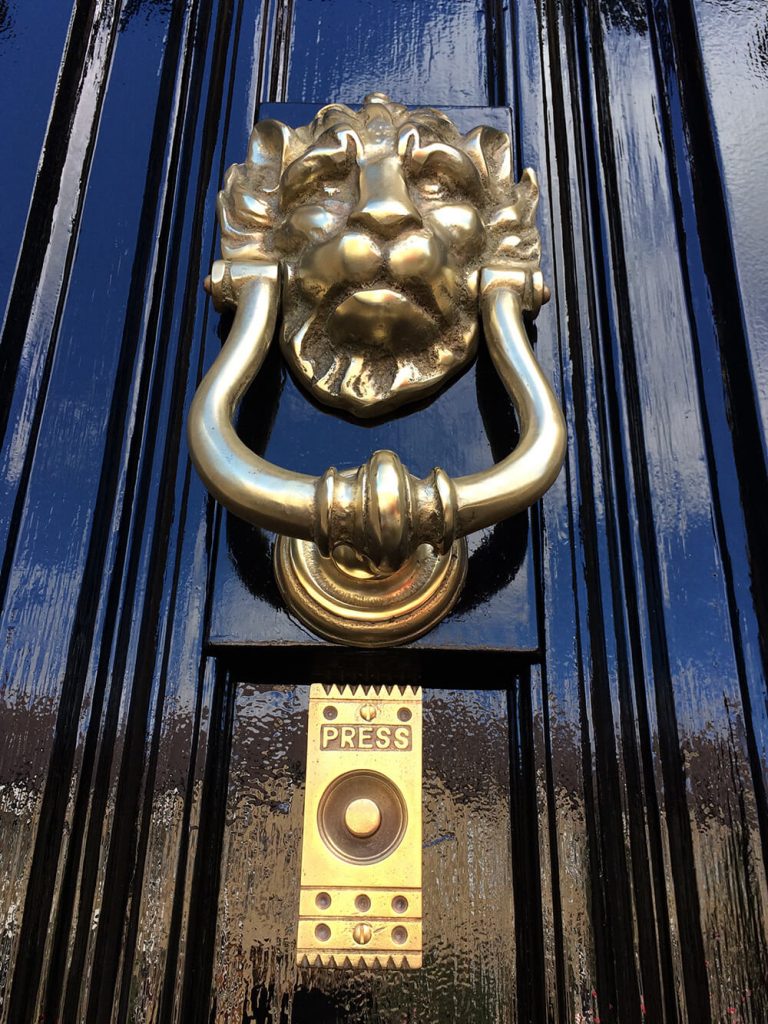
Antique door furniture
In nearly 20 years of working on Victorian front doors, I came across a lot of hardware worth saving — lion knockers, antique bell pushes, and the hinges the doors had been hanging on since they were first fit. Baldwin hinges turned up on almost every Victorian door I worked on.
I’ve written about restoring other door furniture and stained glass elsewhere. Here I want to tell you where Baldwin hinges come from, why they’re such a good hinge, and how to clean them up if you’ve got a set.
Victorian hinges
You may never have seen the hinges on your door because of the paint that’s been slathered on them over a hundred years, but Baldwin hinges are a thing of beauty — cast from iron in a very particular way, with the Baldwin name stamped proudly into them.
Let’s take a trip to the midlands — The Black Country.
The Stourport Foundry
Located in the town of Stourport-on-Severn near Birmingham, on the aptly named Foundry Street — The Stourport Foundry was founded in the height of Britain’s industrial era. It is hard to know exactly when the iron foundry was established, but evidence from leaseholds points towards the late 1770s — the middle of the Georgian era (1714–1837).
A myriad of steel and iron products were manufactured within its walls — from iron gates to lamp-stands — predominantly by hand. But the hinge that made the foundry’s name came later.
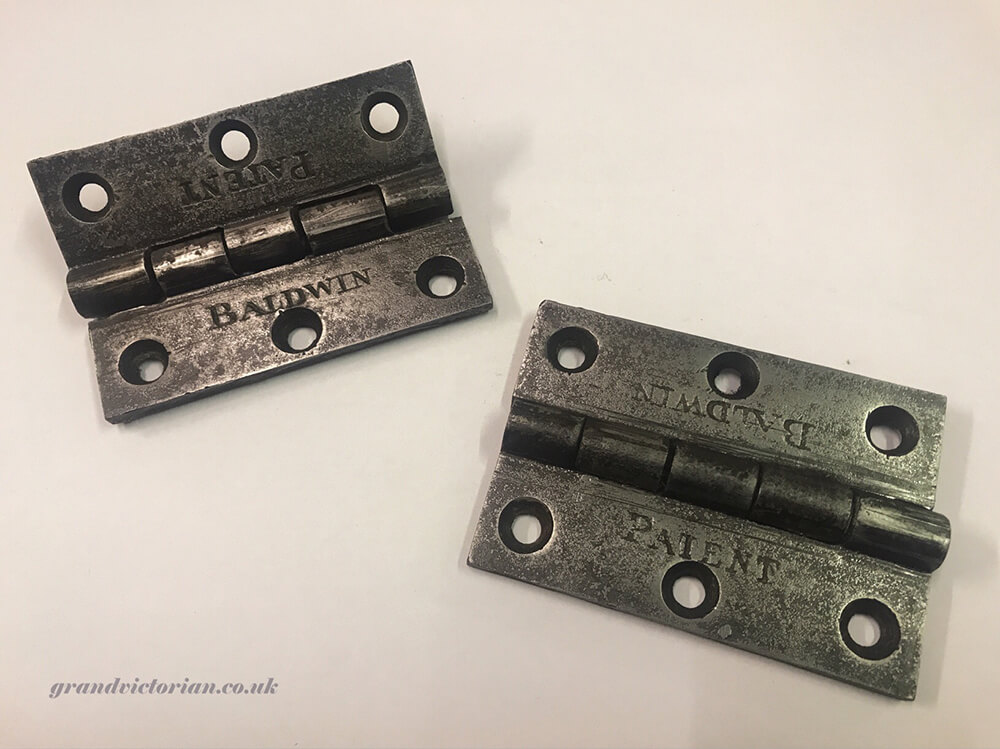
The Baldwin Hinge
Among the finest things the Stourport Foundry ever made. Cast from iron, stamped with the Baldwin name, and manufactured continuously from the 1880s — which is why you’ll find them on almost every Victorian front door still in its original condition. They’re a thing of beauty once the paint comes off.
And then there’s the pin — or rather the apparent lack of one. It is completely counter-intuitive to imagine a hinge without a visible centre pin. This leaves us with an intriguing puzzle with a more than satisfying answer.
How The Baldwin Hinge Was Made
The Stourport Foundry, famed worldwide for its hinges, was by no means lacking in ambition when it came to their star product. The demand for output was huge, yet the process was tedious and time-consuming.
The perfected process began with pig iron bars delivered by canal adjacent to the foundry. The bars were dropped in a particular manner to produce various smaller pieces of iron, which were then placed in a cupola and melted.
From this molten iron, under extreme pressures, one side of the hinge was forged. The next step explains the real ingenuity of the Baldwin hinge.
There is a pin involved — reinforced using camel hair, whale oil and other materials for durability and imperviousness to wear. The pin was dipped in sand to ensure it wouldn’t stick to the surrounding iron. Upon being placed in the box of one side of the hinge, the other half was made and attached, leaving the pin firmly hidden inside. Counter-intuitive, yes. Ingenious, certainly.
The Elusive Hinge Pin
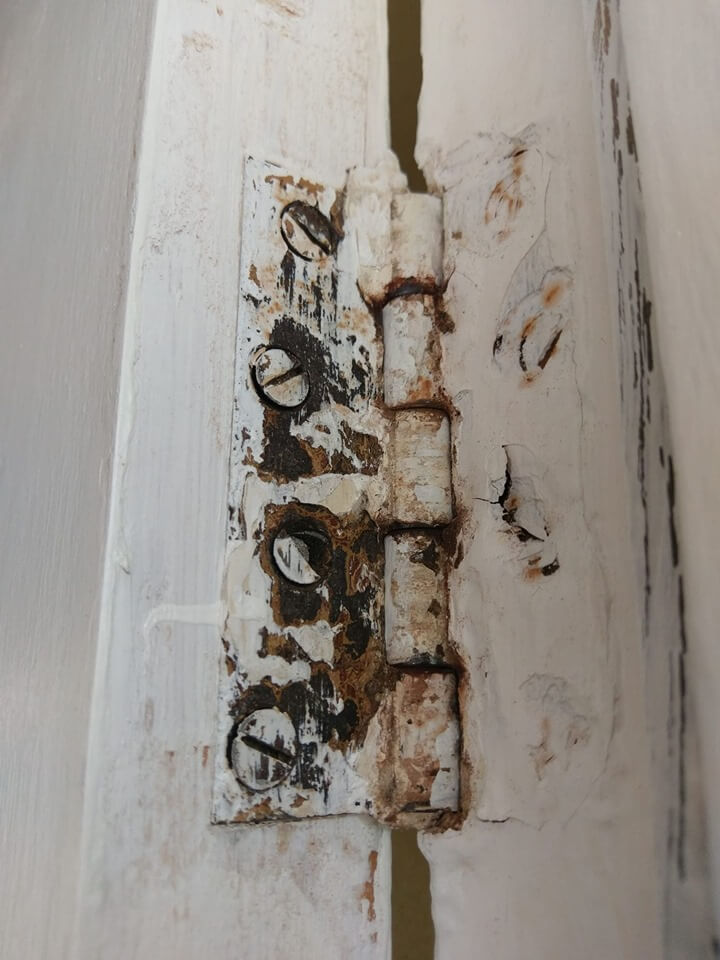
Most Victorian front doors were hung on 4-inch ‘Baldwin 200’ hinges. It was always satisfying to uncover the embossed BALDWIN brand with the scrape of a chisel — a reminder of what was under there all along.
After stripping the hinges back, wire brush them down to bare steel and treat with patinating wax to bring out the mottled texture. The Baldwin brand stands clear.
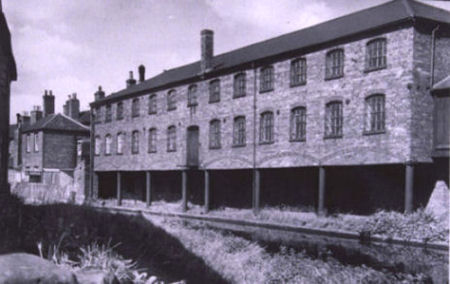
Farewell To The Stourport Foundry
All workers of the Stourport Foundry were asked to give one week’s notice in January 1956, and the foundry was discontinued at the end of that year. The building was demolished in 1967, leaving only the warehouses and offices where the Baldwin hinge was once made.
The hinges themselves live on — on the front doors that were fitted during the foundry’s working life, and in the small stock that surfaces occasionally through salvage and old trade.
How To Clean Up Old Baldwin Hinges
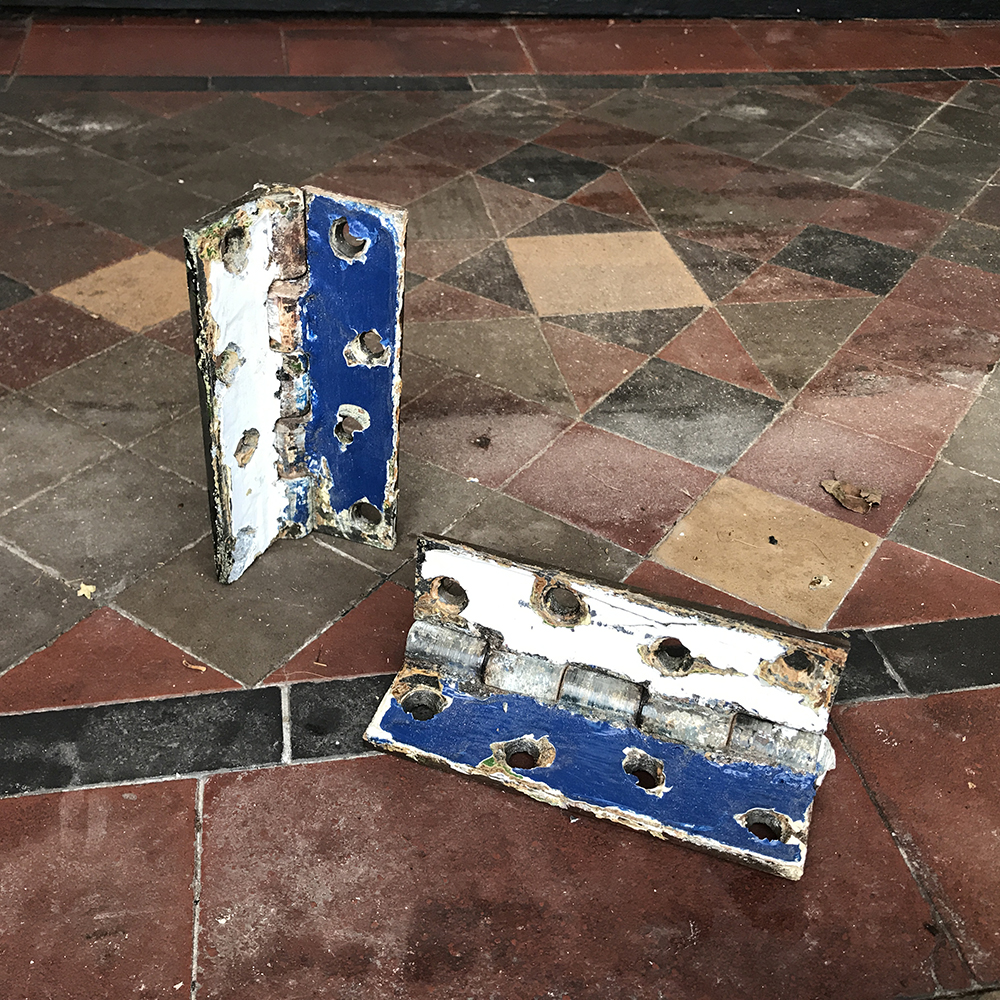
Stripping paint from Baldwin hinges
There will probably be over a hundred years of paint on them. Start by chiselling off the bulk — it won’t harm the cast, but take care. From there, either use a paint stripper and wire brush, or apply a heat gun and scrub the softened paint off. Heat is the cleaner method.
The tools I use for this are listed below.
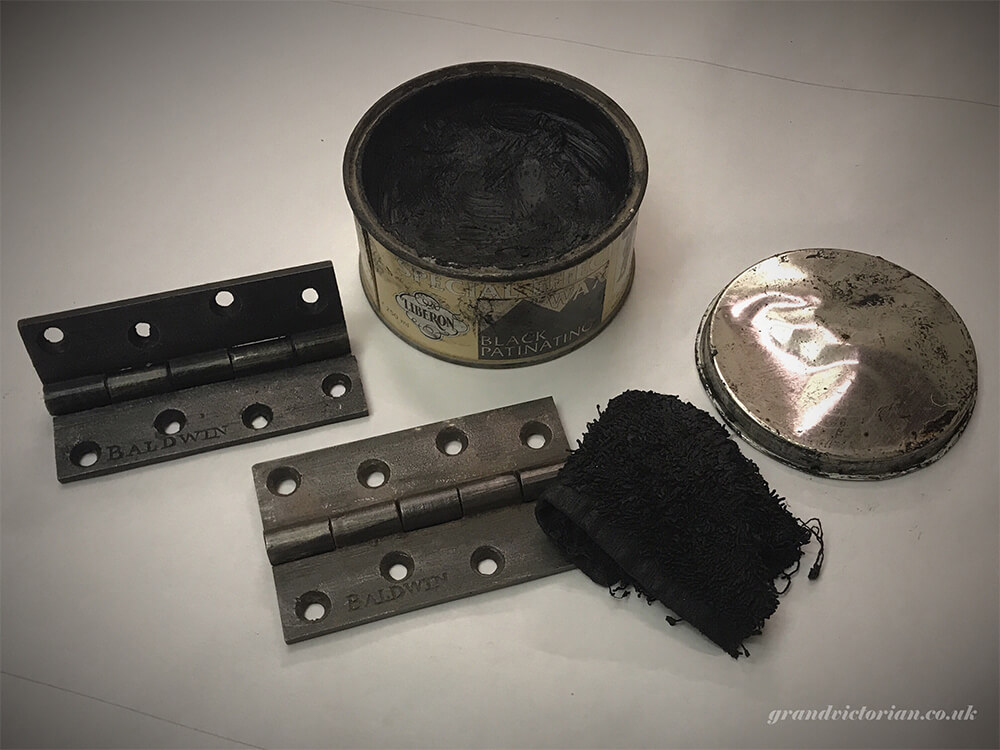
Polishing cast iron Baldwin hinges black
When there is just bare steel left, rub the hinges down with a Scotch pad and Liberon Black Patinating Wax. You really don’t need a lot — I bought my tin in 1995.
They look beautiful once done, and sit well against both brass and chrome door furniture.
Tools for cleaning up Baldwin hinges
HEAT GUN
Strip paint from hinges with a DeWalt heat gun. No plastic components to worry about, so you can use heat directly on the iron.
WIRE BRUSHES
Use wire brushes to scrub the paint off. Nothing expensive needed — just don’t hold them under the heat gun.
PATINATING WAX
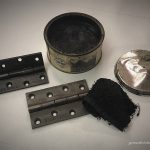
Liberon Black Patinating Wax protects the iron from surface rust and gives a rich black rustic sheen.
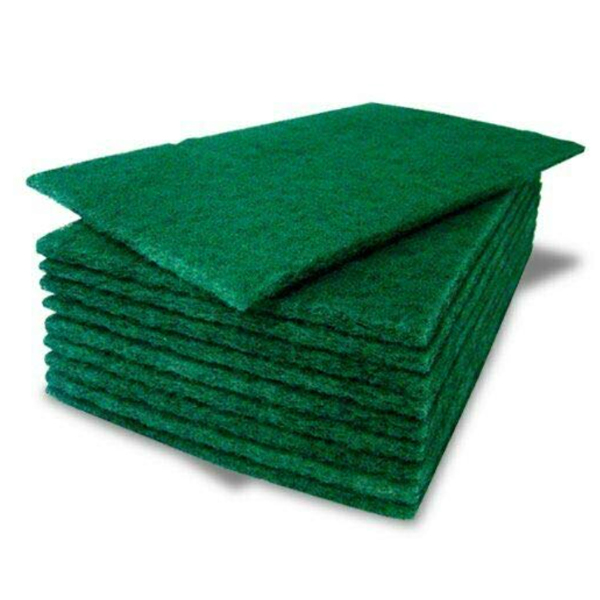
WIRE WOOL
Liberon wire wool is a good alternative to a Scotch pad for removing the final bits and applying wax.
LINT FREE CLOTH
Rustin’s Lint Free Cloths are ideal for the final dry polish after waxing. Treat them like a tool and they’ll last ages.
Our stock of Baldwin hinges

Alternatives to Baldwin cast iron hinges
Genuine Baldwin 200s turn up less often these days — and when they do, they’re usually already on a door. These are the two alternatives I’d reach for. Both are made in Britain and have a slightly different finish; on many period doors they look just as good, sometimes better.
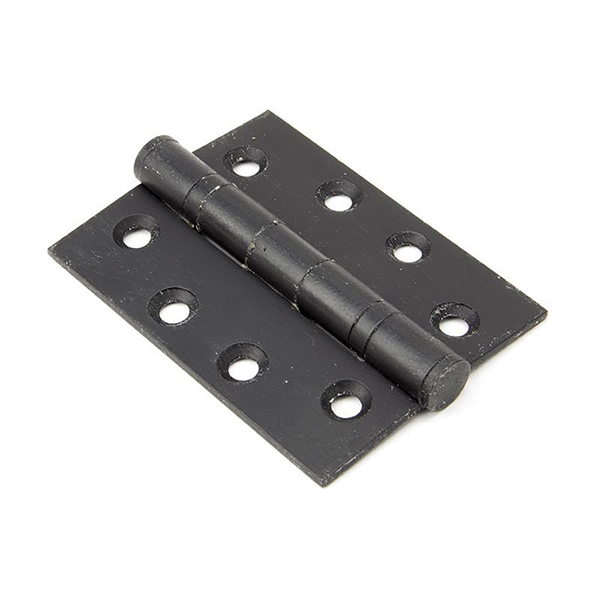
D4952 — Blacksmith Beeswax Ball Bearing Hinge
A 4-inch hinge strong enough to hold a front door, with ball bearings so it’ll last. Made in Wales by From The Anvil.
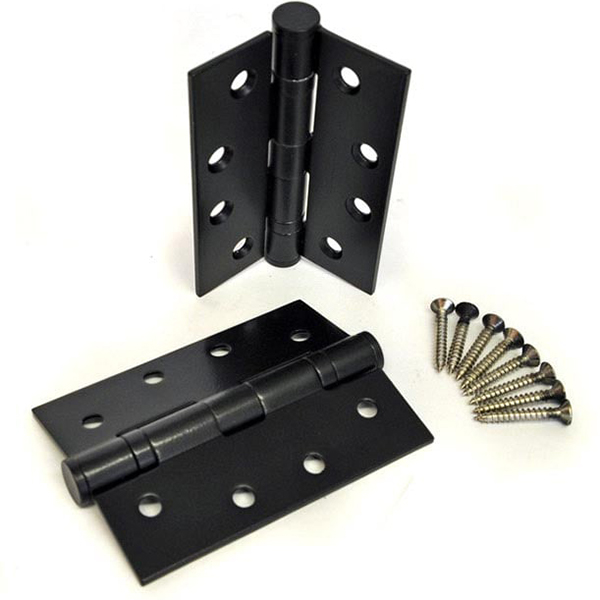
D2251 — Kirkpatrick Butt Hinge
British-made by Kirkpatrick, these 4-inch hinges are the same quality as the Anvil ones above. Worth considering if you want a slightly darker finish.
Using a Baldwin hinge alternative
You’ll probably need to cut the hinge recess slightly larger and pack it with a slip of wood, as the leaves on these alternatives are larger but thinner than the Baldwin originals.
If you have any questions about the hinges or the tools, don’t hesitate to get in touch.
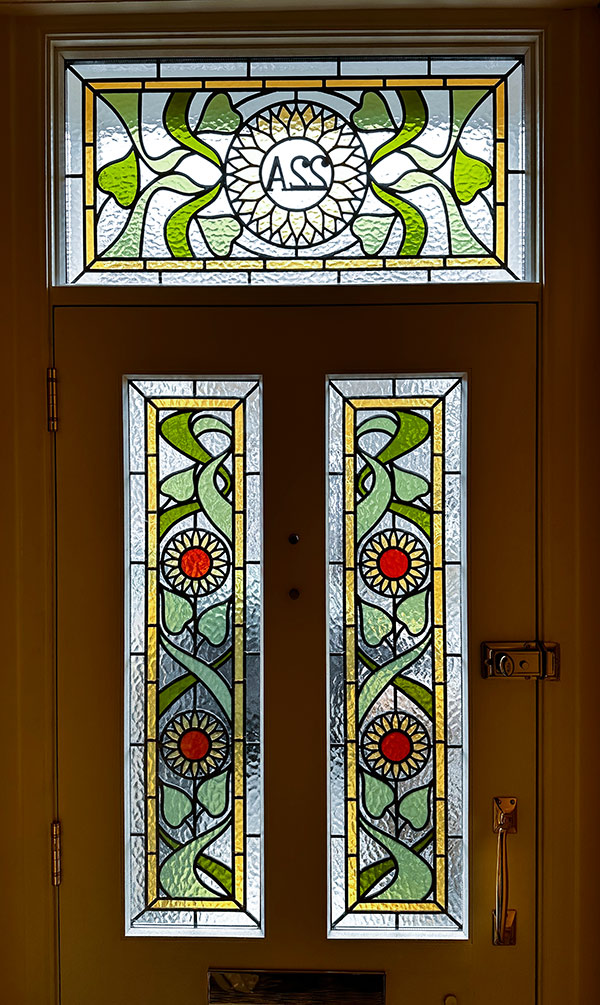
New Victorian Wooden front door in Glossop
Replacing an old uPVC monstrosity with a real hardwood front door and frame with bespoke sunflower leaded glass. This is how I went about it and designed the glass.